Future-Proofing Hospitality Bathrooms: What to Consider in Materials, Drainage, and Safety
Key Highlights
- Selecting moisture-resistant, durable materials like nonporous surfaces and PVD coatings extends bathroom lifespan and simplifies cleaning.
- Implementing linear drains and integrated waterproofing systems enhances drainage efficiency, reduces mold risk, and eases renovation efforts.
- Designing for accessibility with protective covers and compliant fixtures improves safety, reduces liability, and maintains compliance over time.
- Upgrading to low-flow fixtures and conducting proactive inspections help conserve water, prevent leaks, and minimize costly repairs.
- Incorporating localized shutoff valves and insulation supports quick maintenance, reduces operational disruptions, and enhances system longevity.
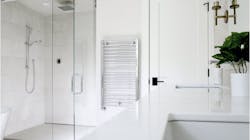
Hospitality bathrooms endure constant use, daily exposure to moisture, and the wear associated with high guest turnover. For building owners and facility managers, this makes bathroom design a critical factor in controlling long-term operational costs, preventing premature system failures, and maintaining guest satisfaction.
According to PLC Construction’s 2025 Trends in Hospitality Construction feature, hospitality properties often undergo structured renovation cycles every five to seven years, reflecting industry expectations for materials and systems that can endure heavy usage and simplify refurbishment efforts.
By prioritizing thoughtful plumbing design and durable materials, facility teams can extend the lifespan of these spaces while reducing maintenance demands and minimizing downtime.
Choose Materials That Support Longevity in Hospitality Settings
Durable materials form the backbone of a well-performing commercial bathroom. Because these environments experience significantly more stress than residential spaces, material selection should emphasize resilience, long-term stability, and ease of upkeep.
Key considerations for commercial applications include:
- Moisture resistance: Materials must hold up to humidity and repeated water exposure without warping, cracking, or deteriorating.
- Performance under heavy use: Fixtures and finishes should withstand constant traffic and repeated cleaning.
- Ease of cleaning: Smooth, nonporous surfaces help reduce labor, limit bacterial growth, and maintain a consistently clean appearance.
Considering these factors early in the design and specification process helps ensure the bathroom can withstand years of service with minimal intervention.
Design for Maintenance Efficiency
Maintenance efficiency is especially important in hospitality environments, where downtime affects both operations and guest satisfaction. Several design choices can meaningfully reduce the time and effort required from facility teams.
Streamlined Drainage Solutions
Minimizing grout lines and seams helps prevent mold and debris buildup. Linear drains support the use of large-format tile and simplify the sloping of shower floors, improving water evacuation and reducing the chance of leaks or pooling outside the shower area. Some linear drain features a “wall-to-wall” configuration, meaning the drain extends the full width of the shower—from one wall to the opposite wall, or from the inside of the curb to the opposite wall—so water can flow evenly across the entire space.
A linear drain with a fully sloped trough (a drain channel that is continuously sloped along its entire length toward the outlet) helps direct water toward the drain, reducing standing water, lowering slip risks, and limiting the conditions that allow mold, mildew, and bacteria to develop.
When renovating older properties, converting bathtubs to walk-in showers can simplify cleaning and improve accessibility. Integrated shower drainage and waterproofing systems can reduce installation complexity and help ensure consistent performance, particularly in high-turnover guest environments.
Durable Fixture Coatings
Finishes such as physical vapor deposition (PVD) coatings offer enhanced resistance to scratching, fading, and wear from repeated cleaning. These coatings help fixtures maintain their appearance while reducing maintenance needs over time.
Improved Accessibility and Safety
Safety and accessibility remain top priorities in hospitality bathrooms, particularly in ADA-compliant (Americans with Disabilities Act) spaces. Exposed plumbing components beneath sinks and lavatories can pose injury risks if left unprotected.
Durable, easy-to-clean protective covers help shield users from contact with hot or sharp surfaces while supporting ongoing cleanliness. Products designed to stay securely in place over time help reduce liability concerns and maintain compliance without adding maintenance burden.
Look for tubular p-trap covers fabricated from Ethylene Vinyl Acetate (EVA) foam. These covers are easy to clean, possess antimicrobial properties, which means they are formulated to slow or inhibit the growth of microorganisms, and resist yellowing over time.
Consider the Plumbing System as a Whole
Beyond visible finishes and fixtures, sound plumbing system design plays a major role in preventing disruptions and extending the life of commercial bathrooms.
Water Conservation
Upgrading to low-flow fixtures can reduce water consumption and lower utility costs while maintaining reliable performance—an important consideration for large hospitality properties.
Leak Prevention and Water Damage Mitigation
Proactive inspections of fixtures, fittings, and piping help identify issues before they escalate into costly damage. Insulating supply lines is essential in colder climates to prevent freezing and pipe failures.
Localized Shutoff Capabilities
Fixture-level shutoff valves allow maintenance teams to isolate individual components without interrupting water service across entire floors or guest areas. This simple design choice can significantly reduce operational disruptions and repair time. Choose a stop valve designed to shut off the water supply at the source of the individual fixtures. This makes it easy to perform maintenance and repairs without having to shut off the water to the entire building. Additionally, a 1/4-turn ball valve will allow for use in tight spaces.
Looking Ahead
Commercial bathrooms should be built with longevity and serviceability in mind. By selecting durable materials, designing for efficient maintenance, and implementing plumbing systems that support ease of repair, facility leaders can create bathrooms that remain functional, safe, and attractive throughout their lifecycle.
These strategies not only help control operational expenses but also contribute to a better experience for guests and staff alike.
About the Author
Evan Novak
A 15-year veteran of the plumbing industry, Evan Novak has served as Senior Manager of Commercial Sales at Oatey Co. since September 2018. A graduate of Ohio University, Novak holds a master's degree in Business Administration from Clemson University. He can be reached at [email protected].