A Landscaping Timeline for Property Managers
Key Highlights
- Conduct winter damage assessments and organize maintenance plans early to prevent delays during peak season.
- Perform dormant pruning, spring cleanup, and soil preparation to promote healthy plant growth and soil health.
- Schedule planting, mulching, and hardscape projects in late spring to optimize conditions and avoid summer disruptions.
- Implement irrigation checks and pest inspections regularly to ensure system efficiency and plant health.
- Book major projects early and test tools and equipment to stay ahead of the busy spring and summer landscape season.
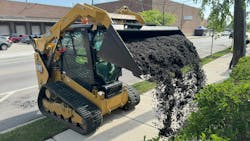
As snow melts and spring arrives, property and facility managers face a packed agenda if they want to have a vibrant spring and summer. Getting ahead means protecting investments, reducing liability, and ensuring your lawns, plantings, and hardscapes look their best from the first signs of green to the long summer months.
Whether you manage commercial campuses, residential communities, retail parks, or office buildings, understanding what to do and when to do it is essential. It can not only maximize budget impact, but it can also lead to higher perceived value and cause revenue growth overall.
Why Seasonal Planning Matters
Spring and early summer are pivotal for setting the tone of the entire growing season. Winter weather can leave lawns thin, debris piled in beds, irrigation systems damaged, and trees stressed from freeze-thaw cycles. Addressing these issues early allows plant material to rebound quickly and helps prevent problems like weed invasion, soil compaction, pest pressure, and turf diseases.
February - Early March
Assess Winter Impact and Plan
Begin by walking every property to look for signs of winter stress. Dead or damaged plant material, sidewalk heaving, snow mold patches, drainage issues, and irrigation freeze problems. Document hot spots that will need follow-up once the soil warms.
Organize Maintenance Plans
By early February, most landscape crews are planning their spring schedules. Use this time to set expectations for weekly or bi-weekly maintenance, secure crew availability for anticipated spring work, and communicate long-lead time projects including hardscape installs, major plantings, or grading. Early booking minimizes delays once the season accelerates.
Dormant Tree and Shrub Pruning
This is an ideal window for dormant pruning of trees and shrubs. Remove dead wood, address crossing limbs, and shape plants before bud break to promote healthy, vigorous spring growth.
Mid-March - April
Spring Cleanup and Bed Prep
As ground thaws and conditions allow, remove winter debris such as fallen leaves, branches, mulch that has moved into turf, and litter. This cleanup helps the soil warm faster, improves air circulation, and prevents lawn diseases like snow mold from developing.
Start Irrigation Checks
Inspect and run irrigation systems as soon as weather permits. Look for broken heads, leaks, misaligned nozzles, and malfunctioning controllers. Adjust settings based on rainfall levels to avoid unnecessary watering, which is especially important in early spring when moisture is abundant.
Edge Beds and Hardscape Lines
A defined edge between lawn and beds creates a polished appearance and helps reduce weed encroachment later in spring and summer. Early edging also makes mowing faster and tidier throughout the growing season.
Aeration and Soil Prep
If soil compaction is a concern, aeration in spring helps improve water infiltration, nutrient absorption, and root growth. Breaking up thatch and loosening compacted soil prepares turf for overseeding and promotes healthy spring flushes.
Overseed Bare or Thin Lawns
Bare or damaged spots revealed after cleanup should be marked for seed or sod installation. Overseeding right after aeration gives new grass the best chance to establish before heat becomes a stressor.
Pre-Emergent and First Fertilizer Applications
When soil temperatures consistently reach mid-50s F. (typically late March–April in central and northern Illinois), apply pre-emergent herbicides to prevent crabgrass and begin slow-release fertilization to support early root growth.
Inspect Trees and Shrubs
This is also a good time to scout for any lingering winter damage or pest infestations. Early detection allows for corrective pruning or treatment before full leaf-out.
Lawn Mowing
As turf begins its spring growth spurt, begin weekly mowing. Maintain proper height and vary mowing patterns to avoid compaction and stress.
Mid April - May
New Plantings
April is a prime window for planting trees, shrubs, and perennials. Soils are workable, and cooler air temps reduce transplant shock. Whether you’re adding color accents or replacing underperforming plants, scheduling these projects now gives plants a full season to root in and flourish.
Mulch Installation
Applying mulch in planting beds retains soil moisture, suppresses weeds, and moderates soil temperature. Place mulch around trees and beds after spring cleanup, but avoid piling mulch against trunks. A 2- to 3-inch layer is usually ideal to balance benefits with plant health.
Hardscape Repairs and Installation
Once the soil isn’t saturated and frost danger diminishes, late April into May is a reliable window for hardscape work. This includes patios, walkways, retaining walls, and drainage projects. Installing these before summer heat and rain patterns fully arrive avoids soil movement and scheduling delays.
Late May
Second Fertilizer Application
A second round of fertilizer in late spring reinforces nutrient availability, supports deeper rooting, and encourages consistent green color. Slow-release formulas help sustain turf health without causing excessive growth spurts late in the season.
Continue Irrigation Monitoring
Once irrigation systems are online full-time, adjust schedules based on rainfall amount and strategic needs. New plantings and seeded areas benefit from slightly higher moisture to support establishment.
Inspect for Pests and Disease
Late spring is when insects and early fungal diseases can emerge. Regular inspections help catch issues quickly, reducing the need for reactive, disruptive treatments.
Finalize Flower Bed Touch-Ups
Add annual flowers or replace seasonal color as needed. Apply plant-specific fertilizers at this stage to promote blooms and sustained growth into summer.
Finish Major Projects
Ensure turf repair, landscape installations, hardscape work, grading, and irrigation optimization are complete before the peak summer season begins.
What Many Property Managers Overlook
Soil testing: Assess nutrient levels and pH to customize fertilizer and amendment plans for optimal results.
Tool and machine prep: Servicing equipment early avoids delays when the workload spikes.
Course corrections: Winter damage to irrigation, paving, and plant material can be subtle. Inspect early and plan repairs before they worsen.
Moisture timing: Deep, infrequent watering produces stronger turf roots; avoid over-watering fragile early spring seeds.
Conclusion: Plan Ahead, Book Early, Stay Ahead of Growth
Spring through early summer may be one of the busiest seasons for your portfolios, but with a proactive plan and strong execution you can keep landscapes healthy, attractive, and safe. From winter assessment and spring cleanup to fertilization, irrigation checks, mulching, plantings, and hardscape projects, having the right schedule helps reduce surprises and maximize results. Local landscaping companies are always available to offer advice as well.
About the Author
Tom Marsan
Tom Marsan is a certified snow professional who has been in the landscaping and snow removal industry for about two decades. He is an active member of ILCA and SIMA and is currently the General Manager at Beverly Companies in Chicagoland.