The Occupant Advantage: Turning Building Experience into Business Value
Key Highlights
- A welcoming environment with quality amenities boosts employee satisfaction, retention, and building reputation in competitive markets.
- Consistent maintenance, cleanliness, and safety measures build trust and set a standard that occupants come to expect and appreciate.
- Proactive operations, including regular inspections and responsive service, prevent disruptions and enhance overall occupant comfort.
- Effective use of occupant feedback and building data helps identify issues early and tailor maintenance and cleaning schedules accordingly.
- Focusing on high-impact areas like entrances, restrooms, and shared amenities ensures resource allocation maximizes positive perception and experience.
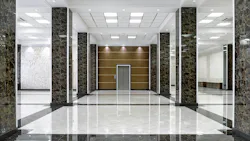
People immediately feel a buzz when they walk into a well-run office environment. Employees are freely walking through the space, collaborating in shared workspaces and lobbies, and spreading out into all areas of the building. In an incredibly competitive real estate landscape, buildings have adopted more amenity-focused resources to ensure occupants have everything they need to be successful and comfortable. These changes aren’t optional—they are necessary to encourage patrons to be comfortable and confident coming to work every day. Atmosphere directly impacts retention, reputation, and long-term asset value.
When buildings consistently feel welcoming and reliable, occupants don’t just tolerate being there—they prefer it. That preference shows up in the form of positive employee satisfaction surveys, creating a building community and, most importantly, renewed leases.
How Perception Shapes Business Outcomes
Small, everyday details drive quality in a building. Lobby presentation, lighting quality, the shine on the floor, and restroom cleanliness all contribute to a positive overall impression. That impression influences business outcomes for building owners and occupants. Owners and operators are proud to bring visitors from other markets to show off their building. Working in an upper-echelon building becomes a recruiting tactic for firms to differentiate themselves in a competitive labor market. Quality assurance is at the core of every well-run operation.
Consistency matters as much as quality. A building that feels polished one day and neglected the next creates uncertainty. In contrast, a reliable, well-run environment builds trust. Occupants come to expect a certain standard, and that expectation becomes part of the building’s value proposition. In competitive markets, where options are plentiful, perception often becomes the deciding factor between similar properties.
How Behind-the-Scenes Work Shows Up in Front-of-House Experience
Occupants don’t see maintenance plans or cleaning schedules—but they experience the results of those operations every day. Proactive preventative maintenance is as important as corrective response. For instance, regular HVAC servicing prevents hot and cold complaints. Routine elevator checks reduce downtime. Lighting inspections ensure spaces remain vibrant, safe, and functional. These actions minimize disruptions before occupants ever notice a problem.
Cleaning strategies also play a visible role. Buildings that align janitorial operations with actual usage patterns—rather than fixed schedules—maintain a higher level of cleanliness throughout the day. Rinse and repeat models have become a thing of the past. Cleaning tasks, frequencies, and timing need to be a product of their environment.
Responsiveness reinforces these efforts. When service requests are acknowledged quickly and resolved efficiently, it signals that a facilities management team truly takes pride in their craft. Delays or poor communication, on the other hand, can undermine confidence even when the issue itself is minor. Working in facility services is a 365-day, 24/7-hour commitment to customers and tenants—a commitment teams should be proud to hang their hat on.
Comfort and Safety as Confidence Builders
Comfort and safety are baseline expectations, but they are also powerful signals of quality when done well.
Temperature stability is one of the most noticeable factors in occupant satisfaction. Even small fluctuations can disrupt focus and lead to frequent complaints. Addressing this requires daily systems rounds, ongoing calibration, and an understanding of how different zones are used throughout the day.
Air quality has also become a visible priority. Well-maintained ventilation systems and clean air create a sense of care and professionalism, reinforcing that occupant well-being is taken seriously.
Navigation matters, too. Clear signage and intuitive layouts reduce confusion and make spaces easier to use, particularly for visitors. When people can move through a building without friction, it enhances their overall experience.
And don’t forget about noise. Mechanical sounds, echoing spaces, and fluctuating noise levels can quickly erode comfort. 69% of office workers report that noise negatively impacts their concentration and creativity. Managing acoustics through maintenance and thoughtful adjustments helps maintain a productive, peaceful facility.
Turning Feedback and Data into Action
Understanding occupant experience requires combining direct feedback with the data that buildings already generate every day.
Surveys and service requests provide important signals. Patterns in work orders—such as repeated HVAC complaints in a specific zone—can highlight systemic issues that need to be addressed. But these inputs are only part of the picture.
Modern buildings also collect data from occupancy sensors, badge systems, and connected equipment. This data reveals how spaces are actually used: which areas are often crowded, when peak traffic occurs, and where systems may be underperforming.
Together, these sources create a clearer view of what occupants are experiencing. For example, high occupancy levels paired with increased temperature complaints may point to ventilation or capacity issues. The value comes from acting on these insights quickly. Rebalancing HVAC systems in high-demand areas, adjusting cleaning frequency based on real-time usage, or addressing recurring maintenance issues at the root level all contribute to a smoother, more delightful experience.
5 Practical Steps FM Teams Can Take
Improving occupant experience is less about large initiatives and more about disciplined execution.
- Identify the moments that matter most. Entrances, elevators, restrooms, and shared amenities have an immediate impact on perception. Prioritizing these areas ensures that resources are allocated where they are needed and drive quality.
- Establish clear service standards for cleanliness, maintenance response times, and overall presentation. These standards should be visible, measurable, and universally understood across teams.
- Train frontline staff to think like hosts. A warm hello, proactive assistance, or quick follow-up can shape how occupants perceive the entire building. Customer service remains a clear differentiator, shaped by the attention, responsiveness, and accountability teams bring to supporting their customers and tenants.
- Use data to guide daily decisions. Adjust staffing and cleaning schedules based on occupancy patterns. Prioritize maintenance activities based on equipment performance trends rather than set intervals.
- Maintain consistent operational oversight. Walking the building is still the best way to see the space from the lens of the customer. Consistently checking high-impact areas and addressing issues early prevents small problems from becoming larger ones. Presence and visibility are requirements, not differentiators.
Ensuring a strong occupant experience takes intentional effort. By aligning operations with how people actually use and perceive the space, owners and facility managers can create environments that people prefer to be in—and that deliver long-term business value.
About the Author
Greg Lanzillo
Lanzillo
Greg Lanzillo is UG2’s Vice President, Strategic Partnerships & Solutions. Greg has more than a decade of experience managing and executing superior facilities services. His expertise in building strong relationships with UG2 partners, suppliers and and clients ensures FM teams align with customer business goals to deliver continued operational success.