From Failures to Insights: How Maintenance Data Transforms Building Management
Key Highlights
- Regular inspections and timely replacements of filters and mechanical components prevent unexpected breakdowns.
- Focusing maintenance efforts on assets that impact resident comfort and incur high repair costs maximizes efficiency.
- Maintaining a collaborative approach among residents, managers, and technicians enhances building performance and longevity.
- Using digital tools like CMMS helps predict failures, automate reminders, and analyze maintenance data for better decision-making.
- Proper maintenance reduces costs, improves resident satisfaction, and preserves property value over time.
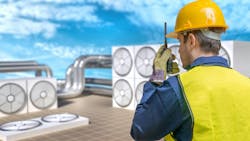
Maintenance and asset care are essential parts of everyday life. Just as we take care of our family, friends, and relationships to keep them strong and healthy, we must also take care of our physical assets and equipment to ensure they always perform at their best.
Failures rarely happen overnight; they build up gradually through small acts of neglect. Imagine the water pump or air-conditioning system in your building suddenly stops working. This isn’t a coincidence; it’s often the result of poor preventive maintenance. For example, a simple air filter that isn’t replaced on time can cause dust buildup, forcing the compressor to work harder and eventually fail. To avoid unexpected costs and resident dissatisfaction, maintenance should never be viewed as an expense; it’s a form of care and protection for your investment.
What Is Maintenance? (Maintenance = Prevention)
In simple terms, any action that helps delay the next failure can be considered maintenance. Many people still associate maintenance with fixing something that’s already broken, but in reality, true maintenance is a series of simple, planned, and purposeful actions designed to prevent breakdowns and improve the quality of life within a building. This improved quality can come from avoiding unexpected failures, such as an A/C unit stopping in the middle of summer or winter or from reducing the financial impact of repairs.
Here are a few simple yet effective maintenance actions:
- Inspecting and replacing the A/C air filter when necessary
- Checking pumps and mechanical rooms
- Testing the operation of automatic or electric doors
- Performing other periodic inspections and tune-ups
The main purpose of maintenance is to extend the lifespan of assets, reduce repair costs, and bring peace of mind to both residents and property owners. Simply put: Instead of waiting for things to break, prevent them from breaking.
Do All Assets Deserve Maintenance?
Absolutely not! Every building contains hundreds of components from light switches and bulbs to pumps, HVAC systems, automatic doors, and fire alarm panels. However, maintaining everything isn’t practical, financially or operationally. That’s why maintenance efforts should focus on assets that meet one or more of the following conditions:
- Their failure disrupts residents’ comfort or daily operations.
- Their repair or replacement costs are significantly high.
- Their failure could affect other systems or even nearby buildings.
In other words, effective maintenance is both a management and an economic decision. Knowing what to maintain is just as important as deciding to maintain at all.
Where to Start
You can reach an optimal point step by step. These four simple actions deliver about 70% of maintenance discipline:
- Inventory your critical assets. This includes pumps, A/C systems, elevators, fire protection, automatic gates/doors, common-area lighting, etc.
- Record condition and last action. For each asset, note: healthy/failed/recently repaired and the date of the last action (repair or preventive service).
- Set the next check date and assign a due date per asset (next month, next season, or a fixed interval like every 90 days).
- Track the costs. Log parts, labor, and downtime so you can see trends and make informed decisions.
Even with a notebook or a simple Excel sheet, you convert scattered human knowledge (residents/owners/technicians) into a trackable system. Later, you can migrate the same structure into a CMMS to automate reminders and reporting.
Who Is Responsible for Maintenance?
As mentioned at the beginning of this article, maintenance, much like human relationships, requires teamwork and shared responsibility. A maintenance culture means that every individual understands their small but vital role in preventing failures. From reporting a simple leak to cleaning an air filter or recording a service date, each of these actions contributes to saving energy, cost, and time. Residents should promptly report any abnormal issues. The building manager must remind others of scheduled inspections and regular servicing. The property owner should include maintenance expenses in the annual budget. And maintenance technicians should perform their tasks carefully and document their work properly.
In essence, maintenance is a team effort, not an individual task. When everyone plays their part, the result is a building that runs more smoothly, costs less to operate, and maintains higher long-term value.
The Role of Technology in Building Maintenance
Just like many other aspects of modern life, maintenance can be greatly improved through the use of digital tools and technology. These tools simplify decision-making and help property owners and managers act more efficiently. By collecting and processing maintenance data; such as lists of key assets, recorded service actions, dates, and costs. Technology can help you predict when the next failure might occur, receive automatic reminders for upcoming services via email or text message, and control and analyze maintenance expenses more effectively.
Today, the system that makes this possible is called a Computerized Maintenance Management System (CMMS), a digital platform designed to preserve comfort, reduce costs, and extend the life of physical assets.
Conclusion
Maintenance is not just about fixing a failure or keeping things as they are, it’s about preventing unexpected costs, energy waste, time loss, and dissatisfaction. Over time, by recording and analyzing maintenance activities, you can identify patterns of failure, keep expenses under control, and, as the saying goes, “what gets measured, gets managed.” Smart digital tools such as CMMS (Computerized Maintenance Management Systems) help you bring all this information together, in one place, organized and ready for action.
Ultimately, a building with a proper maintenance plan:
- Experiences fewer breakdowns
- Controls its costs more effectively
- Keeps its residents happier
- Maintains a higher market and rental value
Maintenance is not an expense—it’s an investment.
About the Author
Farshad Bakhshi
Farshad Bakhshi is a Maintenance & Reliability consultant and CMMS implementation specialist with over 20 years of experience in asset-intensive industries. He helps organizations improve reliability performance through maintenance strategy, data governance, preventive maintenance optimization, and root cause analysis.