How Inconsistent Floor Maintenance Increases Safety Risks in Commercial Buildings
Key Highlights
- Inconsistent cleaning methods and schedules can lead to reduced traction and uneven surfaces, increasing slip risks.
- High-traffic areas like entrances, restrooms, and hallways require standardized maintenance to prevent moisture buildup and residue accumulation.
- Regular inspections and tracking of incidents help identify maintenance gaps before injuries occur.
- Standardizing products, procedures, and staff training ensures predictable and safer floor conditions across all building areas.
- Treating floor maintenance as a safety priority rather than just aesthetic upkeep can significantly reduce slip-and-fall incidents.
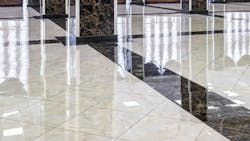
Slip-and-fall incidents remain one of the most common and costly safety issues in commercial buildings. According to the U.S. Bureau of Labor Statistics (BLS), slips, trips, and falls are among the leading causes of nonfatal workplace injuries across a wide range of industries. While facility managers often focus on obvious hazards like weather conditions or damaged flooring materials, inconsistent floor maintenance is an often-overlooked contributor to safety risk.
When cleaning and maintenance practices vary across shifts, locations, or floor types, even well-designed facilities can develop conditions that increase the likelihood of accidents. Understanding how inconsistent floor care creates risk—and how to address it—can help building owners and facility managers reduce injuries, limit liability, and improve overall building performance.
Why Floor Maintenance Consistency Matters
Floors are among the most heavily used surfaces in any commercial building. Over time, foot traffic, equipment movement, moisture, and debris all affect surface condition and traction. Data from the BLS consistently show that falls on the same level account for a substantial share of reported workplace injuries, highlighting the importance of maintaining safe walking surfaces.
Inconsistent maintenance often appears in subtle ways:
- Different cleaning products or methods used by different shifts
- Irregular schedules for deep cleaning or refinishing
- Missed high-traffic areas that require more frequent attention
- Uneven application or removal of floor finishes
Each of these issues can reduce traction, create residue buildup, or lead to uneven surfaces. Even when floors appear clean, inconsistent processes can result in conditions that increase slip risk.
Common High-Risk Areas in Commercial Facilities
Certain areas are especially vulnerable when floor maintenance practices are not standardized.
Building Entrances and Lobbies: Entrances experience the highest foot traffic and are frequently exposed to moisture from rain, snow, and tracked-in debris. The Centers for Disease Control and Prevention (CDC) identifies falls as a leading cause of injury treated in emergency departments, underscoring the importance of managing moisture and contamination at building entry points.
Restrooms and Break Areas: Moisture is unavoidable in these spaces. When cleaning protocols vary, residue from cleaners or inconsistent drying can leave floors slick, even when they look clean.
Corridors and Hallways: Because they may not show visible dirt as quickly, corridors are sometimes cleaned less thoroughly or less often. Over time, this can lead to buildup that affects traction and creates uneven wear patterns.
Industrial and Back-of-House Areas: Warehouses, loading docks, and service corridors are often cleaned differently than public-facing spaces. Inconsistent practices between these areas can create unexpected hazards for employees moving throughout the facility.
How Inconsistent Maintenance Increases Safety Risk
Inconsistent floor maintenance contributes to safety issues in several important ways.
Reduced Traction: Improper dilution of cleaning chemicals, incomplete removal of cleaning residue, or uneven finish application can reduce traction. Industry guidance referenced by OSHA emphasizes that walking-working surfaces must be maintained to prevent slip hazards, regardless of floor material.
Surface Degradation: Inconsistent stripping, refinishing, or cleaning methods can cause uneven wear. Over time, this can result in surface irregularities that increase trip risk or interfere with equipment movement.
Unpredictable Walking Conditions: Occupants expect consistent footing as they move through a building. Sudden changes in traction, such as transitioning from a well-maintained area to one with residue buildup, can lead to missteps and falls.
Delayed Hazard Identification: Without consistent inspection routines tied to maintenance schedules, small issues such as worn finishes or pooling moisture may go unnoticed. OSHA encourages employers to identify hazards proactively, rather than responding only after an incident occurs.
Evaluating Floor Maintenance from a Safety Perspective
Facility managers do not need specialized testing equipment to assess whether maintenance practices may be contributing to risk. Several practical steps can provide useful insight.
Review Cleaning Schedules and Procedures: Ensure that all floor types are cleaned according to appropriate guidelines and that high-traffic areas receive adequate attention.
Standardize Products and Methods: Using different products or techniques across shifts often leads to inconsistent results. Standardization helps produce predictable, safer outcomes.
Observe Post-Cleaning Conditions: Floors should be dry, uniform, and free of residue after cleaning. Sticky or hazy surfaces can indicate process issues.
Track Incidents and Near Misses: OSHA recommends reviewing incident data and near-miss reports to identify patterns before injuries occur. These patterns often correlate with inconsistent maintenance practices.
Inspect Transitions Between Floor Types: Transitions are common problem areas, particularly when maintenance approaches differ between materials.
Consistency Across Different Building Types
While every facility presents unique challenges, consistency remains a universal priority.
Office Buildings: Predictable cleaning schedules and finish maintenance help prevent gradual traction loss that may otherwise go unnoticed.
Healthcare Facilities: Frequent cleaning is essential, but inconsistent product use can leave residues. Training and standardized procedures are critical.
Retail and Public Facilities: High foot traffic and changing weather conditions require proactive, uniform maintenance approaches.
Industrial and Warehouse Facilities: Even durable flooring systems require consistent care to manage oils, dust, and debris that can create slip hazards.
Building a Safer, More Consistent Approach
Improving consistency does not necessarily require more cleaning, it requires better coordination. Clear procedures, staff training, routine inspections, and communication between facility management and cleaning teams all contribute to safer walking surfaces.
By treating floor maintenance as a core safety function rather than a purely aesthetic task, building owners and facility managers can reduce risk, improve occupant confidence, and extend the service life of their flooring systems.
About the Author
Doug McMurtrie
Doug McMurtrie is the owner of Complete Care Maintenance, a New Jersey–based commercial cleaning and facility services company. He has hands-on experience supporting office, healthcare, and industrial facilities, with a focus on maintaining safe, well-managed commercial environments.