How to Develop an Electrical Maintenance Program (EMP) That Meets NFPA 70B Standards
Key Highlights
- NFPA 70B has transitioned from a recommended practice to a mandatory standard, requiring documented electrical maintenance programs.
- Proactive maintenance reduces the risk of electrical fires, outages, and workplace injuries, supporting safety and business continuity.
- Key steps for compliance include conducting comprehensive assessments, establishing maintenance intervals, and addressing deficiencies promptly.
- Qualified electrical professionals should perform maintenance to ensure safety, code compliance, and effective risk management.
- Implementing structured maintenance strategies aligns with broader asset management goals, improving reliability and reducing long-term costs.
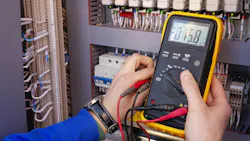
Electrical systems are critical for keeping facilities operational, supporting everything from municipal buildings and healthcare campuses to manufacturing plants, commercial real estate, and fleet operations. Traditionally, some facilities have taken a reactive approach to electrical maintenance, addressing issues only after a failure, outage, or safety incident. However, the National Fire Protection Association (NFPA) has determined that this approach is no longer sufficient.
As the industry moves toward full implementation of NFPA 70B, the Standard for Electrical Equipment Maintenance (EMP), facility owners and decision-makers face a clear shift in expectations. Preventive maintenance is now a critical component of risk management, personnel protection, and operational continuity.
A New Standard for Electrical Maintenance
The evolution of NFPA 70B from a recommended practice to a formal standard reflects a shift in industry expectations, providing a defined framework for developing, implementing, and maintaining electrical maintenance programs.
This change also brings greater accountability. While enforcement may vary, the expectations of regulators, insurers, and other stakeholders are increasingly aligned. Documentation, consistency, and repeatability are now essential for maintaining an effective program.
The risks associated with electrical systems are also well documented. According to the U.S. Fire Administration, an estimated 7,400 electrical malfunction fires occur annually in non-residential buildings across the U.S., resulting in over $350 million in property loss.
Electrical Safety Risks Driving NFPA 70B
The shift to NFPA 70B is rooted in the reality of how electrical systems degrade over time and the risks that accompany that degradation. Critical equipment such as switchgear, panels, transformers, and motor control centers operate under constant load and environmental stress. Over time, exposure to heat, dust, vibration, and moisture can lead to deterioration that is not always apparent during day-to-day operations.
When issues arise in these systems, the consequences can be significant. Arc flash incidents and other electrical failures continue to pose serious safety risks, particularly in the types of equipment that NFPA 70B prioritizes for inspection and maintenance. The Occupational Safety and Health Administration (OSHA) identifies arc flash, electrocution, fires, and explosions as primary hazards associated with electrical systems in the workplace.
Workplace safety data reinforces the importance of these programs. National data from the Electrical Safety Foundation International (ESFI) indicates that roughly 140 to 150 workers die each year from electrical exposure in the United States, and approximately 5% of all workplace fatalities are related to electrical incidents—many of which involve workers outside of traditional electrical roles.
OSHA also requires that electrical equipment be maintained free from recognized hazards that could cause serious harm, placing the responsibility on facility operators to address risks proactively. By mandating a structured approach to inspections, testing, and documentation, NFPA 70B helps facilities identify potential issues earlier and reduce exposure to these hazards.
From Maintenance Task to Operational Strategy
Traditionally viewed as a technical responsibility, electrical maintenance, under NFPA 70B, becomes an integral part of a broader operational strategy directly linked to performance, risk, and cost.
Unplanned downtime extends beyond equipment issues, disrupting tenant operations, impacting lease obligations, delaying production, and raising safety concerns, especially in facilities that operate continuously, where even brief interruptions can have significant repercussions. The financial impact of these disruptions is well documented. The U.S. Department of Energy notes that preventive maintenance programs can reduce maintenance costs by 12-18% compared to reactive approaches. Conversely, unplanned repairs and emergency work often incur signifi cantly higher costs due to downtime and equipment damage.
Consequently, electrical maintenance is evolving into a core function in risk management, operational continuity, and long-term asset planning.
What Compliance Looks Like in Practice
For many facility teams, the question is where to begin. NFPA 70B does not require an immediate overhaul, but it does necessitate a structured approach.
Practical starting points include:
- Understanding Your Electrical Assets: Facilities should maintain a clear inventory of electrical equipment, including switchgear, panels, transformers, and motor control centers. Knowing what equipment is in place and its condition allows for better prioritization.
- Developing an Electrical Maintenance Program: NFPA 70B requires a documented program that defines maintenance activities, inspection methods, testing procedures, and safety protocols. The program should reflect the building's specific operational characteristics rather than relying on a generic checklist.
- Establishing Consistent Maintenance Intervals: Maintenance schedules should align with manufacturer recommendations when available and account for operating conditions and system criticality. Consistency is crucial for reducing risk over time.
- Addressing Deficiencies in a Planned Way: Issues identified during inspections should be documented, prioritized, and resolved through a clear plan. This reduces the likelihood of unexpected failures and supports compliance efforts.
- Working with Qualified Electrical Professionals: Electrical systems require specialized expertise. Maintenance should be performed by professionals trained to understand the equipment, associated hazards, and applicable standards.
The Cost Perspective Is Changing
Cost is often perceived as a barrier to implementing preventive maintenance programs. However, the financial conversation is evolving. Unplanned repairs, emergency work, and downtime can significantly increase overall operating expenses.
Insurance carriers are also placing greater emphasis on maintenance practices in risk evaluations, making documentation and consistency increasingly important.
For building owners, electrical maintenance is transitioning from a reactive expense to an integral part of financial planning.
Supporting Long-Term Building Performance
Electrical systems degrade over time due to load demands, environmental conditions, and normal wear and tear. Without a consistent maintenance approach, this degradation can lead to performance issues or failure.
When maintenance is structured and ongoing, facilities can:
- Extend equipment life cycles
- Reduce unplanned downtime
- Improve system reliability
- Maintain safer working conditions
- Support more accurate capital planning
These outcomes directly align with the priorities of facility managers focused on performance, efficiency, and long-term asset value.
Planning for Changing Expectations
NFPA 70B reflects a broader shift in how buildings are managed. Maintenance is becoming more proactive, more consistent, and more closely tied to operational performance.
For facility teams, the next step is to evaluate current practices, identify gaps, and begin building a maintenance program that aligns with the standard.
About the Author
Elbert Walters III
Elbert Walters III is the executive director of Powering Chicago, a labor-management partnership between the International Brotherhood of Electrical Workers (IBEW) Local 134 and the Electrical Contractors’ Association (ECA) of Chicago.
In his role, Elbert leads the organization’s 100+ philanthropic and community impact initiatives each year and plays a key role in its daily operations.
A Local 134 electrician himself, Walters began his career in the trades as an electrical apprentice at the IBEW/NECA Technical Institute, where he received the Apprentice of the Year award during his final year in the program before becoming a journeyman electrician. While working in the field, Walters served as a journeyman wireman and foreman.