How to Protect Your Property from Pest Birds
Key Highlights
- Conduct regular inspections of rooftops, signage, landscaping, and water features to identify early signs of bird activity.
- Improve sanitation by securing trash areas, managing food sources, and removing droppings promptly to reduce attractants.
- Install physical deterrents like spikes and netting to prevent birds from settling on building surfaces.
- Protect water systems such as cooling towers and fountains from bird access to prevent contamination and bacterial growth.
- Train maintenance staff to recognize early signs of bird activity and conduct seasonal reviews to stay ahead of migration patterns.
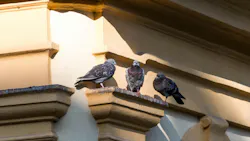
What looks like a minor nuisance—a few birds and a few droppings—can quickly create safety risks, damage property, and introduce potential water contamination issues for commercial facilities.
On a typical Monday morning walkthrough, those risks become visible. A facilities manager might notice staining on newly installed shrubs, droppings on exterior rodent control devices, slick patches near entrances, and buildup around rooftop equipment or water features. Together, these signal broader maintenance, safety, and compliance concerns.
For facility teams balancing tight budgets and operational demands, pest birds have become an increasingly common challenge. In fact, pest birds contribute to billions in global damage annually. Drawn by food, shelter, and water, species like pigeons, European starlings, house sparrows, and sea gulls can quickly establish patterns that are difficult to disrupt. Left unmanaged, their presence can impact landscaping, increase slip and fall hazards, and contribute to conditions that support bacterial growth in building water systems.
The Real Costs of Unmanaged Pest Birds
Pest bird activity affects multiple areas of a property, sometimes in ways that aren’t immediately visible. Birds feeding on berries, seeds, and insects can stress or kill landscaping, while the acidic nature of their droppings can stain surfaces, degrade roofing materials, and accelerate corrosion on metal, signage, and equipment.
Beyond the physical appearance of the building, accumulation on walkways, entrances, and loading areas increases the risk of slips and falls, while nesting materials can clog gutters and drains, leading to water backup and structural issues.
However, the most critical risk is far less visible. When organic material builds up near rooftops, HVAC systems, or water features, it can be washed into drains, cooling towers, and fountains. This creates conditions that support bacterial growth, including Legionella, raising both health and compliance concerns.
Left unaddressed, these issues can drive up cleaning and repair costs, increase liability exposure, and negatively affect the professional appearance tenants and visitors expect.
Why Reactive Approaches Fall Short
Many properties only address bird activity after it becomes visible. Strategies like pressure washing, spot cleaning, and one-time deterrents provide short-term relief, but they cannot address the underlying cause. In many cases, these efforts simply reset the problem rather than resolve it, allowing conditions to return within days or weeks.
Birds are highly adaptable and often return to familiar roosting and feeding areas. Hidden nesting sites on rooftops, behind signage, or within landscaping allow populations to rebound quickly, making future issues more persistent and costly. Over time, this cycle of cleanup and recurrence can strain maintenance teams and budgets without delivering lasting results.
The most effective approach focuses on prevention, which means identifying what attracts birds and reducing those conditions before activity escalates.
Practical Steps for Proactive Management
Facility teams can reduce long-term risk by taking a five-step proactive, integrated approach.
1. Conduct regular site inspections.
Regularly inspect rooftops, ledges, signage, landscaping, water features, and loading areas for droppings, feathers, and nesting materials. Establish a checklist and document patterns over time to identify recurring hotspots and seasonal trends.
2. Improve sanitation and reduce attractants.
Secure trash areas, manage food sources, and eliminate standing water. Promptly remove droppings, especially before rainfall, to reduce contamination risks and limit the spread of organic material into drainage systems.
3. Install physical exclusion measures.
Use deterrents such as spikes, netting, and surface modifications to prevent birds from settling on ledges and flat surfaces. These solutions provide long-term control without disrupting daily operations.
4. Protect water systems.
Prevent bird activity near cooling towers, HVAC units, fountains, and drains. Integrate bird management into existing water safety and Legionella prevention plans to reduce the risk of contamination at the source.
5. Train staff and monitor consistently.
Ensure maintenance and housekeeping teams can recognize early signs of activity and understand when to escalate concerns. Conduct seasonal reviews to stay ahead of migration and breeding patterns.
Get Ahead of the Risk
By shifting to proactive prevention, facility managers can reduce recurring costs, limit liability, and better protect critical building systems. Taking action early and working with a pest management professional to identify and address risk areas not only improves day-to-day operations, but it also helps facilities avoid larger disruptions, emergency repairs, and the compounding costs that come with reactive, last-minute fixes.
Just as important, this approach helps facilities maintain a cleaner, more professional environment that aligns with tenant expectations and supports long-term asset value, rather than continuously reacting to issues after they’ve already impacted operations.
About the Author
Nicolas Ellis
Nicolas Ellis, MS, PhD, is a Board Certified Entomologist and Training Specialist for Western Pest Services, a New Jersey-based pest management company serving businesses and homeowners in major Mid-Atlantic markets.