Caring for Aging Schools: How to Mitigate Risk
Key Highlights
- Nearly 40% of U.S. schools are over 55 years old, requiring critical upgrades to systems like HVAC, electrical, and plumbing.
- Deferred maintenance can lead to higher insurance premiums, increased claims, and compromised safety and learning environments.
- Regular assessments and modernization efforts, including energy-efficient upgrades, are essential for reducing risks and costs.
- Budget constraints pose challenges, but strategic planning and risk mitigation can help prioritize essential repairs and upgrades.
- Insurance partners can provide valuable risk engineering services, real-time feedback, and funding guidance to support infrastructure improvements.
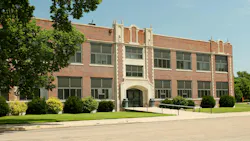
Many schools in the United States are struggling to keep up with deteriorating infrastructure. According to the American Society of Civil Engineers, nearly 40% of schools across the U.S. are more than 55 years old and need new critical systems upgrades such as heating, ventilation and air conditioning (HVAC).
If these mechanical systems are ignored or left untreated, they can lead to higher insurance premiums, stricter terms, coverage limitations and an increased claims frequency—in addition to negatively impacting student learning.
Top Risks for Aging Schools
Building infrastructure can age for a variety of reasons, including weather, corrosion, thermal stress, rodents, or just plain wear and tear. While many structures deteriorate over time, certain areas consistently present the highest loss potential and can lead to rising insurance premiums and claims frequency. This includes roofing, HVAC, electrical, and plumbing.
When a school defers necessary replacement or continues to patch a roof, it can lead to structural problems and water intrusion, which according to the Environmental Health and Safety University of Florida, can damage interior property and cause mold growth.
For HVAC and boiler/mechanical systems, corrosion, lack of preventative maintenance, and the amount of usage typically determine the health of these units. Specialists recommend updating them once they reach a 20-year lifespan. Air quality is important to consider, and upgrading systems to energy-efficient models may save money in the long run.
When it comes to electrical wiring, loose connections, older, oil-filled transformers, and undersized panels can lead to fires from arcing and overload in electrical systems. It is critical to modernize and make code-driven upgrades that keep pace with technology-heavy classrooms.
Plumbing and old pipe systems are also a top concern for schools due to the potential of contamination and leakage from outdated plumbing like lead, galvanized steel, or deteriorating copper. Aging cast iron drainage systems, for example, can lead to water intrusion and foundation damage.
Risk Mitigation Planning
It can be difficult though for school boards and leadership to make the necessary updates when school budgets are stretched. According to the 21st Century School Fund, the difference between what schools should be spending on their facilities and what is needed is more than $85 billion. And Higher Ed Dive, a leading publication for higher education, reported that it estimates colleges and universities will need to spend more than $750 billion on deferred maintenance and infrastructure needs over the next 10 years.
However, it is important to remember that schools have a duty to provide a safe and secure environment for students and staff. And building codes, as well as state and federal regulations, may necessitate modernization sooner rather than later. This is particularly significant because how well a school cares for its buildings affects insurance coverage, and carriers expect adherence to industry codes and standards for design, construction, and maintenance. A single property damage incident or lawsuit from an accidental injury could put a school at financial risk.
Modernization for Future Success
A trusted insurance partner can help and enable institutions to navigate unexpected events and make smarter, long-term planning decisions. For example, if a severe weather event damages an aging roof and causes a water leak in a classroom, property insurance can help cover the physical damage. However, the claims process can also highlight the contributing factors such as deferred maintenance that facility leaders can use to inform future priorities.
Yearly valuations can further aid in facilities planning. Essential for any school property, a thorough and honest reporting of the size, age, construction materials, and other unique features helps agents and carriers determine appropriate insurance coverage and reveals necessary risk mitigation measures.
The maintenance and modernization of educational facilities benefit everyone as schools often function as centers of the community for voting, public events and more. Carriers that are knowledgeable in risk engineering services can advise educational institutions on how to identify and reduce risk while helping to protect them and the communities they serve from unexpected challenges.
School administrators juggle many issues and budgets, so building maintenance may not be the thing that keeps them up at night. However, a facilities risk that is ignored today could lead to a preventable claim tomorrow. An experienced insurance carrier like The Hartford can offer schools mitigation strategies to detect and fix problems before they become hazards for staff, students, and the public.
Smart Investments
A strong facilities management plan is part of the path forward. On-site risk engineering surveys can provide a set of eyes to help detect and report conditions. Risk engineering consultants can review systems and make recommendations for risk mitigation, including the use of IoT devices such as water sensors to complement a water damage prevention program and help minimize loss.
Additional strategies include:
- Phase in replacement strategies to keep schools operational while making improvements. These could include wing-by-wing HVAC replacement, temporary heating, cooling and water systems, as well as night or weekend pipe tie-ins.
- Research opportunities for public health funding for air quality enhancements or grants that support energy efficiency upgrades for solar, HVAC, and filtration systems.
- Summer closures to complete repair and replacement plans for large-scale improvements.
- Risk engineering programs to address water damage prevention, worker safety and industrial hygiene hazards.
- Capital planning alignment to maximize the efficiency, effectiveness, and safety of facilities.
No school is immune to the possibility of an unexpected event. However, the older the building, the higher the risk of loss and disruption. Consequently, the best way to avoid the resulting cost and learning interruption is through early detection and intervention. Real-time feedback provided by an experienced insurance carrier can offer peace of mind. It is one key risk management tools to care for aging infrastructure.
About the Author
Ali Whitten
Ali Whitten is education and healthcare industry practice lead at The Hartford.
Dave Gouker
Dave Gouker is risk engineering director of property and inland marine at The Hartford.