Landscaping Trends for 2026: Why Performance Now Matters More Than Appearance
Key Highlights
- Landscaping is evolving into a multifunctional infrastructure that manages stormwater, reduces costs, and enhances tenant experience, beyond just visual appeal.
- Sustainable practices like smart irrigation, native plantings, and permeable surfaces are lowering long-term maintenance costs and environmental impact.
- Designing for climate resilience and longevity ensures landscapes withstand environmental stresses, reducing liability and operational risks.
- Multi-purpose outdoor spaces increase tenant satisfaction and leasing performance by providing functional, comfortable environments.
- Integration of smart technology enables real-time landscape management, optimizing water use and maintenance efficiency.
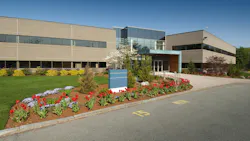
For decades, commercial landscaping has largely been judged by one metric: how it looks. Clean edges, green turf, and seasonal color rotations define a well-maintained property. But in 2026, that definition is evolving rapidly.
Today’s most successful commercial landscapes are no longer just visual assets. They are operational tools. They manage stormwater, reduce maintenance costs, enhance tenant experience, and even influence leasing decisions. Landscaping is no longer just curb appeal. Because of budgets and new sustainability initiatives, it’s infrastructure.
For property managers, this creates both an opportunity and a challenge. The properties that adapt will see stronger tenant retention, lower long-term costs, and greater asset value. Those that don’t risk falling behind.
The Shift Toward Performance-Driven Landscaping
One of the most important trends shaping 2026 is the move toward performance-based landscape design. Instead of asking “Does it look good?”, property owners are asking:
Does it reduce maintenance costs?
Does it solve drainage or heat issues?
Does it improve tenant experience?
Does it accomplish multiple purposes?
This shift is driven by climate pressure, rising costs, and increased expectations from tenants and municipalities. Climate-resilient landscapes designed to withstand drought, flooding, and extreme temperatures are becoming the standard, not the exception.
For property managers, this means rethinking traditional layouts. Large turf areas, for example, are being reduced in favor of native plantings, ornamental grasses, and groundcovers that require less water and fewer inputs.
The result: landscapes that don’t just survive, they perform.
Sustainability That Actually Impacts the Bottom Line
Sustainability is a financial strategy. Sustainable landscaping practices are being implemented not just for environmental reasons, but because they directly reduce operating costs and risk exposure.
Key strategies gaining traction include:
- Smart irrigation systems that adjust based on weather and soil moisture
- Integrated pest management (IPM) to reduce chemical use
- Carbon-conscious materials and electrified equipment
- Permeable surfaces and bioswales to manage stormwater
These approaches reduce water usage, labor inputs, and long-term replacement costs. Sustainable landscapes are designed to be functional, cost-efficient, and maintainable, not just attractive.
What many property managers underestimate is how much these changes affect long-term budgets. A well-designed sustainable landscape can significantly reduce annual maintenance variability, which is one of the biggest pain points in portfolio management.
In one widely cited group of U.S. case studies, properties that implemented low-impact development (LID) strategies such as bioswales, reduced turf, and water-efficient systems, saw total project cost savings ranging from 15% to 80%, largely due to reduced infrastructure needs and long-term maintenance inputs.
One commercial office property that converted large turf areas into native beds with drip irrigation and installed shade trees reported not only significant water savings, but also reduced cooling costs by up to 25% through strategic shading, further lowering operating expenses. The key was a combination of eliminating high-input turf, designing for drainage instead of fighting it, and using systems that respond to real conditions.
Multi-Functional Spaces: The New Standard
Landscapes are now being built as usable, high-performing environments. Commercial properties incorporate outdoor areas that serve multiple purposes. This includes break areas, collaboration zones, walking paths, wellness spaces, outdoor meeting areas, and quiet, secluded seating.
These spaces play a direct role in tenant satisfaction and retention, making them a core part of the overall property experience.
Spaces that combine functionality, privacy, and aesthetic appeal are on the rise. This includes shaded seating areas surrounded by dense plantings for noise reduction, natural separation between spaces using plant material and layout, and thoughtful plant selections that provide both visual interest and environmental benefits.
Closely tied to this trend is a growing focus on physical comfort. Properties are prioritizing strategic tree placement for shade and energy savings, light-colored and permeable materials to reduce heat retention, dense plantings that create cooler microclimates, and structures like pergolas or trellises that improve usability during peak summer conditions.
This thermal landscape design approach is quickly becoming a differentiator. For property managers, the impact is measurable. More comfortable outdoor spaces lead to increased usage, higher perceived value, and stronger leasing performance.
Natural Pest Control and Low-Maintenance Design
Another shift happening is toward landscapes that reduce problems instead of requiring constant intervention. Instead of reactive pest control and frequent treatments, properties are leaning into:
- Biodiverse plantings that attract beneficial insects
- Native species that are naturally resistant to local pests
- Airflow-conscious designs that reduce disease pressure
- Plants that repel mosquitoes and insects
Natural landscaping approaches can significantly reduce pesticide use while improving plant health and longevity. For property managers, this means fewer service calls, fewer complaints, and more predictable maintenance costs.
The Color Trends That Drive Perception
While functionality is taking center stage, aesthetics still matter. Especially first impressions.
In 2026, color trends are shifting toward natural, calming, and inviting palettes, including:
- Earth tones (deep greens, warm browns, muted golds)
- Soft, faded florals (dusty pinks, pale peach, subtle purples)
- Silver and blue-green foliage for cooling visual effects
These tones are intentionally selected to create a sense of calm and comfort, aligning with the broader trend of landscapes as wellness spaces.
Bright, overly structured, high-maintenance displays are being replaced with more natural, layered, and organic designs. For commercial properties, this translates to a more modern, upscale appearance, without the high maintenance burden.
Technology Is Quietly Reshaping Landscape Management
One of the most underappreciated trends in 2026 is the integration of smart technology into landscape operations, and it’s quickly changing how properties are managed day to day. Property managers are beginning to treat landscaping more like other building systems by leveraging tools such as soil moisture sensors, weather-integrated irrigation, digital service tracking, and predictive maintenance planning.
Instead of relying on fixed schedules or reactive service, these systems allow landscapes to respond in real time. Watering only when needed, flagging issues before they become costly problems, and documenting every service for full visibility.
In fact, smart irrigation systems alone have been shown to reduce outdoor water use by 20-50%, depending on the property and climate. The result is tighter control over budgets, fewer surprises, and more predictable annual spending.
What Property Managers Aren’t Thinking About (But Should Be)
The biggest missed opportunity in 2026 is strategy. Many property managers are still treating landscaping as a line item, not an investment. But the data and market direction suggest otherwise.
Here’s what often gets overlooked:
1. Landscapes Impact Leasing More Than You Think
Outdoor spaces influence first impressions, employee satisfaction, and tenant retention. They are part of the overall property experience. In fact, one study by Science Direct found that 68% of tenants said landscape design directly influenced their decision to rent or buy, reinforcing how critical exterior environments are in shaping perception and leasing outcomes.
2. Cheap Installs Create Expensive Maintenance
Low-cost installations often lead to higher long-term costs through replacements, irrigation inefficiencies, and labor-intensive upkeep.
3. Climate Resilience Is Risk Management
Landscapes that can handle extreme weather reduce liability, prevent damage, and maintain property functionality year-round.
4. Functionality Drives ROI
Shade, drainage, usability, and comfort all contribute to how often a space is used and how valuable it feels.
5. Sustainability Is Becoming a Requirement
With increasing regulations and tenant expectations, sustainable practices are moving from optional to expected.
The Bottom Line: Designing for Longevity, Not Just Looks
The defining characteristic of landscaping in 2026 is longevity. The most valuable landscapes are no longer the ones that look the best on day one, they’re the ones that continue to perform over time. That means holding up under environmental stress, requiring fewer inputs year after year, enhancing the tenant experience, and adapting to changing conditions without constant reinvestment.
For property managers, this shift requires a different mindset. Landscaping can no longer be approached as a short-term aesthetic upgrade or a reactive maintenance item. Instead, it should be viewed as a long-term asset strategy that directly impacts operating costs, tenant satisfaction, and overall property value. The decisions made during design and installation carry measurable financial implications for years to come.
About the Author
Tom Marsan
Tom Marsan is a certified snow professional who has been in the landscaping and snow removal industry for about two decades. He is an active member of ILCA and SIMA and is currently the General Manager at Beverly Companies in Chicagoland.