How to Reduce Accessibility Deficiencies in Commercial Facilities

ADA compliance isn’t just a box to check during construction—it’s an ongoing concern. Do any of these 5 frequently flagged areas sound familiar?
Dec. 15, 2025
2 min read

Key Highlights

  • Regularly inspect parking slopes and markings during resurfacing to prevent noncompliance due to abrupt edges or improper slopes exceeding 2%.
  • Upgrade door hardware to lever or push-plate types and perform quarterly force and sensor checks to ensure maneuvering space and ease of use.
  • Review and adjust service counters to meet height requirements, installing permanent lowered surfaces where possible to avoid violations.
  • Conduct annual restroom audits focusing on fixture placement, grab bar positioning, and reach ranges, using checklists for cost-effective compliance.
  • Verify that visual and tactile safety and communication features, such as alarms and signage, are functional and meet accessibility standards after system updates.
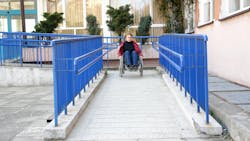
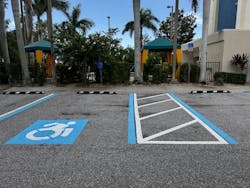
In many commercial properties, accessibility is often viewed as a one-time design requirement rather than an ongoing operational priority. Over time, minor changes—such as resurfacing a parking lot, replacing a door closer, or remodeling restrooms—can inadvertently lead to noncompliance with ADA and building codes. This can expose owners to increased risks, inconvenience occupants, and inflate future retrofit costs.

Routine inspections and proactive maintenance by facility teams can prevent most of these issues. The following insights, drawn from field assessments of offices, retail centers, and hospitality sites across various states, highlight common areas of deficiency and offer practical solutions.

1. Parking and Exterior Routes

Accessible parking often becomes noncompliant when restriping forgets slope checks or new asphalt creates abrupt edges. Any slope exceeding 2% can render stalls unusable. When resurfacing, ensure contractors restore compliant slopes and markings, and confirm that accessible routes from parking to entrances are stable and slip-resistant. Quick level checks and photographs during maintenance can save thousands in future corrections.

2. Building Entrances and Door Hardware

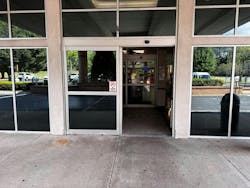
Heavy doors, worn thresholds, or inadequate maneuvering space frequently create barriers. Seasonal adjustments, such as new weather stripping or floor mats, may compromise the required clear widths. Door-force measurements and sensor inspections should be included in quarterly maintenance. Upgrading to lever or push-plate hardware increases accessibility for all users.

3. Service Counters and Transaction Areas

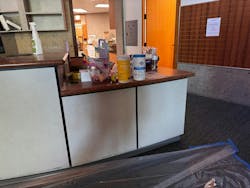
Service counters are updated more often than realized. Even a half-inch variance above the 36-inch maximum can trigger violations. Where feasible, install a permanently lowered surface instead of relying on temporary solutions, such as clipboards. Review signage annually to ensure it meets visibility and contrast requirements for accessibility.

4. Restrooms and Locker Rooms

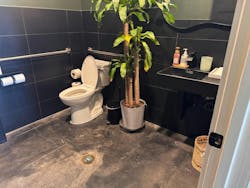
Deficiencies typically follow unreviewed fixture replacements or layout modifications. Issues include improperly positioned grab bars, mirrors mounted too high, or dispensers out of reach. An annual audit, conducted by facility staff using a checklist of critical dimensions, is a cost-effective compliance measure.

5. Communication and Life-Safety Features

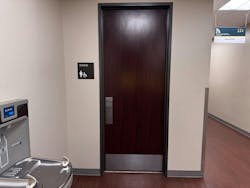
Visual fire alarms, tactile signage, and assistive-listening devices are often overlooked during system upgrades. When updating meeting rooms or alarm panels, verify that both visual and audible alarms function together and that signage complies with tactile and Braille standards. Include accessibility requirements in vendor scopes to maintain compliance after updates.

Successful facility programs approach accessibility like energy or safety—through routine checks, documentation, and continuous improvement. Adding accessibility checks to maintenance routines helps catch issues early. Periodic reviews by accessibility consultants offer a valuable reset and help prioritize future enhancements.

About the Author

Sivaji Raja Muggari

Sivaji Raja Muggari, CASp, RAS, ICC, is an Accessibility Specialist and Authorized Project Reviewer with Terracon, providing consulting and compliance reviews for commercial and government facilities nationwide.

Sign up for our eNewsletters
Get the latest news and updates

Voice Your Opinion!

To join the conversation, and become an exclusive member of Buildings, create an account today!