Slip-and-Fall Prevention Starts with Process, Not Products
Key Highlights
- Standardized cleaning procedures eliminate variability and reduce slip hazards caused by inconsistent execution across shifts and locations.
- Proactive inspections and environmental monitoring help identify potential hazards early, preventing incidents before they occur.
- Clear roles, responsibilities, and response protocols ensure hazards like spills and moisture are addressed promptly and effectively.
- Staff training focused on hazard recognition and proper procedures enhances awareness and reinforces safety practices.
- A process-driven safety culture integrates slip prevention into routine operations, reducing reliance on reactive measures and improving overall safety outcomes.
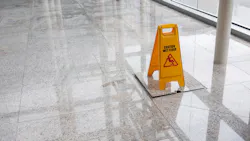
Slip-and-fall incidents remain one of the most common causes of injury in commercial buildings. Conversations about prevention often focus on flooring materials, coatings, or surface treatments. While these factors play a role, many incidents stem from process breakdowns rather than product failures.
Effective slip-and-fall prevention begins with structured procedures, consistent execution, and proactive oversight. Facility managers who prioritize process over product selection are better positioned to reduce risk and maintain safer environments for occupants and staff.
Understanding the Scope of the Risk
Slip hazards rarely result from a single variable. They typically develop when cleaning schedules fluctuate, inspections are inconsistent, response protocols are unclear, or environmental conditions are not adequately monitored.
Federal data underscores the scale of the issue. According to the U.S. Bureau of Labor Statistics, slips, trips, and falls account for more than 25% of all nonfatal workplace injuries involving days away from work. These incidents occur across industries and represent a significant operational and liability concern for building owners and managers.
Many of these injuries are preventable. In commercial facilities, the underlying causes are often tied to inconsistent cleaning processes, delayed response to spills, or inadequate inspection routines—all process-related factors.
Standardization Reduces Variability
When cleaning procedures vary between shifts, teams, or locations, risk increases. Moisture left behind after mopping, residue buildup from improper dilution, and uneven finish application are common contributors to reduced traction. These issues are not typically the result of faulty materials but inconsistent execution.
Standardized procedures help eliminate this variability. Facility managers should prioritize documented processes that clearly define how floors are cleaned, how moisture is managed, and how areas are verified safe before reopening to occupants.
Consistency across shifts is critical. Variability, not material choice, is often the hidden driver of slip-and-fall exposure.
Timing and Environmental Awareness
The timing of maintenance activities can significantly influence safety outcomes. Cleaning during peak traffic periods, reopening areas before surfaces are fully dry, or overlapping maintenance activities can inadvertently create hazardous conditions.
Process-driven programs account for building occupancy patterns and environmental factors such as weather, humidity, and seasonal changes. Entryways, for example, often require increased monitoring during wet or icy conditions.
The National Institute for Occupational Safety and Health emphasizes hazard recognition and environmental awareness as key components of injury prevention. When staff are trained to anticipate environmental risks, such as tracking moisture into lobbies or corridors, they are better equipped to intervene before hazards escalate.
Inspection as a Preventive Tool
Routine inspection is one of the most underutilized elements of slip prevention. Inspections should not occur only after an incident or complaint. Proactive checks allow potential hazards to be identified and corrected early.
Facility managers should implement defined inspection schedules for high-risk areas such as entrances, restrooms, food service areas, and loading docks. Structured documentation of inspections improves accountability and provides evidence of due diligence.
Early detection of finish wear, residue buildup, uneven surfaces, or moisture accumulation allows corrective action before traction is compromised.
Clear Roles and Response Protocols
Unclear responsibility frequently contributes to slip incidents. When it is not clearly defined who monitors entryways during inclement weather or who responds to spills, hazards may persist longer than necessary.
Process-driven programs define ownership. Response times, reporting expectations, and follow-up procedures should be clearly communicated across all shifts. Clear protocols ensure that hazards are addressed promptly and consistently rather than sporadically.
Establishing documented response procedures also reduces confusion during busy periods or staffing transitions.
Training for Awareness and Reinforcement
Slip prevention depends heavily on workforce awareness. Staff must understand how their actions affect occupant safety and why strict adherence to procedures matters.
Training should emphasize hazard recognition, proper sequencing of tasks, and verification steps before reopening an area. According to CDC and NIOSH research, training programs that focus on recognizing environmental hazards significantly reduce injury risk in maintenance and service-related occupations.
Reinforcement is equally important. Ongoing training sessions, safety briefings, and routine reminders help maintain awareness and prevent gradual drift away from established procedures.
The Cost of Reactive Safety
Reactive approaches to slip prevention focus on responding after incidents occur, conducting investigations, adjusting materials, or increasing signage only after injuries are reported. While corrective action is necessary, reactive strategies do not address the systemic causes of risk.
Process-driven prevention addresses root causes before incidents occur. Structured cleaning procedures, scheduled inspections, environmental monitoring, and clearly defined responsibilities reduce exposure long before a claim is filed.
Beyond injury prevention, proactive processes also protect organizational reputation and reduce operational disruption.
Building a Process-Driven Safety Culture
Slip-and-fall prevention is most effective when embedded into routine operations rather than treated as a standalone initiative. A culture that prioritizes structured procedures, environmental awareness, and accountability creates safer conditions regardless of occupancy changes or staffing fluctuations.
Products and flooring materials contribute to safety performance, but without consistent processes to support them, even high-quality materials cannot eliminate risk.
By shifting attention from products to processes, facility managers can address the underlying drivers of slip incidents. Structured procedures, proactive inspections, and consistent training form the foundation of effective prevention.
When prevention is driven by process, facilities reduce liability exposure, protect occupants, and maintain safer floor conditions over time.
About the Author
Doug McMurtrie
Doug McMurtrie is the owner of Complete Care Maintenance, a New Jersey–based commercial cleaning and facility services company. He has hands-on experience supporting office, healthcare, and industrial facilities, with a focus on maintaining safe, well-managed commercial environments.