Why “Self-Cleaning” Restrooms Still Need Human Expertise to Deliver Real Hygiene
Key Highlights
- Automation improves consistency by providing real-time data, reducing manual checks, and supporting targeted cleaning schedules based on usage patterns.
- An effective operating plan is essential to ensure automated systems are monitored, alerts are responded to promptly, and backup procedures are in place during system downtime.
- Training teams to interpret and act on data from connected systems enhances efficiency, reduces waste, and helps address recurring issues proactively.
- Human judgment remains crucial for assessing cleanliness, safety, and user experience, as automated systems cannot fully gauge occupant perceptions or detect subtle issues.
- Focusing on the user experience by maintaining accessible dispensers, functioning fixtures, and clear signage reinforces building confidence and occupant satisfaction.
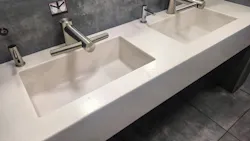
“Self-cleaning” restrooms are having a moment. Across the U.S., cities are rolling out high-tech public restroom models to expand access, improve cleanliness, and reduce strain on maintenance teams.
For building managers, the trend is worth watching—not because every facility needs the same type of public restroom technology, but because it reflects a broader shift in hygiene operations. Automation is becoming a more visible part of how facilities manage restrooms, from touch-free fixtures and connected dispensers to occupancy data and programmed cleaning cycles.
The appeal is obvious. In a world where teams are being asked to do more with less, technology that can support cleaning, reduce routine checks, and improve consistency sounds like a major operational win. And in many ways, it can be.
But there is an important distinction every facility leader should keep in mind: self-cleaning does not mean self-managing. Restrooms are among the most used and most visible spaces in a building. They are also unpredictable. Traffic can surge between scheduled rounds. Supplies can run out. Fixtures can break. A restroom that looked clean 20 minutes ago may suddenly need attention again.
That is why the future of restroom hygiene is not fully automated—rather, it’s more efficiently managed. The strongest programs combine technology, cleaning expertise, and clear operating procedures so each part supports the others. Here are five principles facility leaders should keep in mind as they execute on technological innovation in the restroom.
1. Use Automation to Improve Consistency
When it comes to driving automation in the restroom, focus on using automation to drive consistency. Technology can help complete repeatable tasks, reduce unnecessary manual checks, and give managers better insight into how restrooms are being used.
For example, connected dispensers can help teams avoid product runouts. Occupancy or traffic data can show when restrooms need more frequent service. Automated fixtures can reduce touchpoints and support a cleaner user experience. Programmed cleaning features can help maintain conditions between staff visits.
For building managers, technology can help the team make better decisions. Instead of relying only on fixed cleaning schedules, managers can use real usage patterns to adjust staffing, supply planning, and service frequency. That can be especially helpful in office buildings, campuses, mixed-use buildings, entertainment venues, and other facilities where restroom traffic varies throughout the day.
2. Build an Operating Plan Around the Technology
One common mistake is assuming that automated systems will run effectively without ongoing oversight. In practice, technology needs an operating plan just like any other building system.
Before adding or expanding restroom automation, facility teams should answer a few basic questions:
- Who monitors system alerts?
- How quickly should staff respond to low-supply or maintenance notifications?
- How often will staff still inspect the restroom manually?
- How will cleaning schedules change based on usage data?
- What is the backup plan during peak traffic or system downtime?
These questions matter because technology is only useful if someone acts on the information it provides—for example, a dispenser alert does not prevent an outage unless the right person receives it, prioritizes it, and responds. Automation should be built into the workflow, not placed on top of it.
3. Train Teams to Use the Data
Data is one of the most valuable parts of modern restroom technology, but only if teams know how to use it.
If cleaning professionals receive alerts from connected systems, they need to understand what those alerts mean, when to respond and when to escalate. If managers are tracking usage patterns, they should use that information to adjust cleaning frequency instead of relying only on traditional rounds. If a restroom repeatedly generates complaints despite regular service, the data should prompt a closer look at traffic, layout, supplies, fixtures, or maintenance needs.
The goal is to make the work more targeted. When used well, data can help reduce wasted trips, prevent supply gaps and give cleaning teams more time to focus on the issues that require human attention.
4. Keep Human Judgment at the Center
Even the best restroom technology has limits. It may know that a cycle has been completed, but it may not know whether the space feels clean, safe, or usable to the next person who walks in.
That’s where cleaning professionals make the difference. A trained cleaner does far more than wipe surfaces—they spot patterns, identify early signs of equipment failure, recognize when a restroom needs a deeper clean, and make judgment calls automated systems cannot.
For building managers, this means cleaning teams should be treated as frontline operators, not just task performers. Their observations can help improve schedules, identify equipment problems, support purchasing decisions, and strengthen the overall hygiene program.
5. Don’t Overlook the User Experience
Restrooms influence how people perceive the entire building. When restrooms are clean, stocked, and well-maintained, they reinforce confidence in the facility. When they fall short, occupants and visitors notice. Technology can help support a better restroom experience, but people are still needed to see the full picture.
Building teams should regularly check the details that shape the user experience: Are dispensers full and accessible? Do stall locks work? Is signage clear? Are fixtures functioning properly? Are there recurring issues with odors, noise, crowding, or product availability?
Make the Hybrid Model Work
For building managers, the practical takeaway is simple: don’t ask restroom technology to do the entire job. Rather, use it to make the job more manageable, measurable, and responsive.
A strong hybrid approach includes clear ownership, trained cleaning teams, manual inspections, data-informed schedules, preventive maintenance, and backup plans for downtime. It also requires regular feedback from the people who know the restrooms best: the cleaning professionals working in them every day.
Self-cleaning restrooms can absolutely improve hygiene operations. They can raise consistency, reduce routine strain, and give managers better information. But real hygiene still depends on human expertise. The best results come when technology supports skilled people—and when building managers create the systems that allow both to perform at their best.
About the Author
Christine FitzPatrick
Christine FitzPatrick is Regional Activation Manager at Essity, a global leader in hygiene and health. She brings experience in marketing and brand activation, focusing on driving visibility and engagement for the Tork brand across North America. She brings strategy to life through impactful campaigns and experiences, working closely with cross-functional teams and industry partners to drive business growth.