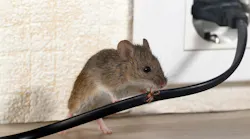
The Hidden Lease Risk: Why Pest Management is Crucial for Tenant Retention
Key Highlights
- Pest complaints can lead to lost revenue, compliance issues, damaged property, tenant dissatisfaction, and reputational harm.
- Integrated Pest Management prioritizes prevention through exclusion, sanitation, monitoring, and targeted treatments.
- Routine inspections and clear tenant communication help build confidence and reduce pest pressure.
- Smart sensors and remote monitoring enable earlier, more targeted responses and create useful service records.
- Preventive pest programs can reduce chemical use, flag maintenance concerns, and support ESG objectives.

In today’s commercial real estate landscape, the smallest operational oversight can trigger significant downstream impacts. When a tenant encounters a pest in a breakroom or loading dock, the issue quickly extends beyond extermination. For facility managers, it can spark strained landlord-tenant relationships, compliance concerns, lease disputes, and reputational damage. As occupancy and tenant retention become increasingly tied to the quality of the building environment, pest management has evolved from a simple maintenance line item into a strategic business function.
As organizations place greater emphasis on workplace quality, sustainability, and operational excellence, tenants increasingly view pest management as an indicator of overall property maintenance. For building owners and managers, that shift presents an opportunity to rethink pest management as a proactive investment in tenant satisfaction, risk mitigation, and long-term asset value.
Pest Complaints Carry Business Consequences
Commercial properties are more complex than ever. Mixed-use developments, medical offices, restaurants, retail centers, warehouses, and Class A office buildings each face unique pest pressures, but they all share one challenge: tenants expect issues to be addressed before they become visible.
The financial impact of a pest issue often extends well beyond the cost of treatment. A single infestation can lead to:
- Lost revenue due to temporary closures
- Regulatory violations
- Damaged inventory or equipment
- Potential social media consequences
- Tenant dissatisfaction
- Lease disputes
For healthcare, hospitality, food service, and retail tenants, the stakes are especially high. Even isolated pest activity can trigger inspections or corrective actions that affect both the tenant and the property owner. In office settings, a single pest sighting can undermine confidence in facility management and quickly become a workplace talking point.
Why Prevention Matters More Than Reaction
One of the biggest misconceptions about commercial pest management is that it’s only necessary after pests appear. In reality, by the time insects or rodents are visible, the underlying issue has often been developing for weeks or months.
Commercial buildings naturally create ideal conditions for pests. Loading docks, employee kitchens, mechanical rooms, utility penetrations, landscaping, and waste collection areas all create opportunities for pests to enter and establish themselves. At the same time, fluctuating seasonal weather and more frequent extreme weather events are extending breeding cycles and driving pests indoors to seek shelter.
Rather than relying on reactive service calls, many facility managers are adopting Integrated Pest Management (IPM), a preventive approach to pest management centered on the following core areas:
- Exclusion: Keeping pests out of the facility.
- Sanitation: Removing food and harborage resources.
- Pest Monitoring: Actively tracking pest activity.
- Targeted Treatments: Implementing solutions based on historic pest trending.
The business case for prevention is straightforward. Emergency treatments often come with higher labor costs, service premiums, and operational disruptions. Preventive programs also help protect building assets, including wiring, insulation, and structural components, from rodent damage that can lead to equipment failures or even fire hazards. Investing in routine inspections and exclusion helps reduce costly remediation while protecting long-term property value.
Tenant Retention Starts with Operational Confidence
Much like broader facility assessments where small process gaps shape the tenant experience, pest management is now a critical component of operational excellence. Just as biophilic design can transform an overlooked corner into a strategic asset, a proactive pest program signals to tenants that every detail of their environment is managed with precision. Ultimately, tenant retention is the sum of daily interactions, from HVAC performance and security to overall cleanliness; in today’s landscape, proactive pest management is an essential part of that experience.
When tenants see facility concerns addressed proactively, confidence in property management grows. Conversely, recurring pest issues can create the perception that larger maintenance problems are also being overlooked, encouraging tenants to explore other options before their lease expires.
Communication is equally important. Building managers who educate tenants on prevention best practices and maintain transparency around inspections often build stronger partnerships with occupants.
Simple operational habits can significantly reduce pest pressure:
- Conduct routine building inspections.
- Seal potential exterior pest entry points and utility penetrations, such as door gaps and utility penetrations.
- Manage waste and recycling areas effectively, with a focus on containment and area sanitation.
- Monitor for excess moisture or leaks around plumbing and HVAC systems.
- Coordinate sanitation efforts with tenants while enforcing best practice solutions.
- Address landscaping conditions that may harbor pests.
Technology is also strengthening modern IPM programs. Smart sensors and remote monitoring systems can detect activity in mechanical rooms, subfloors, and other difficult-to-access spaces, allowing facility teams to respond before problems become visible. This data-driven approach enables more targeted treatments, reduces unnecessary pesticide use, and creates a documented record that can support tenant communications and sustainability initiatives.
Pest Management Supports ESG Goals
As Environmental, Social, and Governance (ESG) initiatives continue shaping commercial real estate, pest management is becoming part of broader sustainability strategies.
Modern IPM programs prioritize prevention over routine pesticide applications. By addressing the conditions that attract pests and using data-driven monitoring, property owners can help reduce chemical usage while maintaining compliance.
While preventive inspections primarily monitor pest activity, they also serve as an early warning system for conditions like moisture intrusion, drainage issues, and structural vulnerabilities. Detecting these factors early helps reduce pest risk while also alerting facility managers to potential maintenance needs. For organizations pursuing sustainability certifications or demonstrating environmental responsibility to tenants and investors, proactive pest management complements broader facility management goals.
A Competitive Advantage in Today’s Leasing Environment
Commercial tenants increasingly evaluate more than rental rates and amenities. They want confidence that the buildings they occupy are clean, safe, and professionally managed.
While pest management may not be highlighted during a property tour, it directly influences the qualities tenants value most: reliability, cleanliness, and operational excellence.
Successful facility management isn’t simply about responding to problems quickly. It’s about creating environments where problems are less likely to occur in the first place. By treating pest management as a proactive operational strategy rather than a reactive maintenance expense, building owners can strengthen tenant relationships, reduce risk, protect their reputation, and support healthier, higher-performing properties.
About the Author
Jeffrey R. Schmidt
Jeffrey R. Schmidt is an Associate Certified Entomologist and serves as the Market Technical Director for Terminix, overseeing a team of technical managers across diverse client verticals. With 17 years of experience in the pest management industry and a master’s degree in organizational leadership and supervision, Jeff combines deep technical expertise with a dedicated focus on team management. He is passionate about identifying and developing talent to meet the unique challenges of complex commercial environments.