Holiday Pest Control: How to Protect Commercial Buildings During Winter
Key Highlights
- Holiday changes in staffing, occupancy, deliveries and cleaning schedules can create new opportunities for pests inside commercial buildings.
- Colder weather can send rats and mice, wildlife, overwintering insects and some ants looking for protected places to shelter.
- Regular inspections help facility teams catch pest activity, building gaps and other problem conditions early.
- An Integrated Pest Management (IPM) program combines inspection, exclusion, sanitation, monitoring and documentation to support long-term prevention.
- Employees play an important role in pest prevention, especially when they know what to watch for and how to report a concern quickly.
Why the Holidays Can Change Your Pest Risk
Holiday pest control starts with understanding how seasonal changes affect commercial buildings. Increased deliveries, changing cleaning schedules, reduced staffing, and colder temperatures can create new opportunities for rodents, insects, and other pests to enter facilities.
Pests don’t take the holidays off. Increased deliveries can mean more pallets, boxes, and open dock doors, while heavier foot traffic can lead to more food debris and waste. Reduced staffing or holiday closures may leave quiet areas undisturbed for longer periods. Add falling temperatures that can drive pests indoors in search of food, water, and shelter, and facility teams have plenty of reasons to stay alert.
Proactive prevention can help keep those seasonal changes from leading to pest problems. An Integrated Pest Management (IPM) program gives facility managers a practical framework for identifying vulnerabilities, limiting pest access, and monitoring for activity throughout the season. By combining routine inspections, exclusion, sanitation, documentation, and employee awareness, facilities can stay prepared as both operations and pest pressures change.
Common Winter Pests in Commercial Buildings
The pests that are most likely to create issues will vary by building, location, and surrounding environment, but these are among the most common pests whose activity increases as temperatures drop.
Rats and Mice
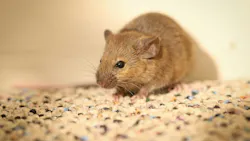
Rats and mice can seek shelter indoors when cold weather makes outdoor food and shelter harder to find. Once inside, they may settle into stock rooms, crawl spaces, storage areas, and other quiet locations.
These rodents can contaminate products and surfaces and cause product and property damage by gnawing on packaging, insulation, or wiring. Rats and mice can also fit through surprisingly small openings—about the size of a quarter—so gaps around doors and the building exterior are important inspection points.
Wildlife
Squirrels, raccoons, bats, and other wildlife may seek shelter inside commercial buildings during colder months, where they may create sanitation issues, damage property, or limit access to parts of the facility. Common indoor spaces where wildlife may enter include attics, crawl spaces, and wall cavities, while other wildlife may search for food in dumpsters or landscaping.
Overwintering Pests
Stink bugs, boxelder bugs, ladybugs, cluster flies, and other insects may enter buildings in the fall to seek shelter from cold weather. They can slip through small exterior gaps and remain largely out of sight until a mild winter day or spring temperatures bring them out of hiding. Finding and sealing entry points before insects move inside can save facility teams an unpleasant surprise later.
Ants
Some ants may move indoors toward warmth, food, and moisture, particularly around kitchens, sinks, bathrooms, and basements. Depending on climate and species, landscaped areas and mulch near the building can also provide a winter habitat for ants.
How to Help Prevent Pests in Commercial Buildings During the Holidays
An Integrated Pest Management (IPM) program helps commercial facilities prevent pest problems by identifying risks early and adapting prevention strategies as conditions change. During the holiday season, this proactive approach helps facility managers stay ahead of shifting pest pressures and operational demands.
Inspect the Facility for Conducive Conditions
Work with a pest control professional to regularly inspect the property’s interior and exterior for signs of pest activity or potential attractants and entry points. Signs of pest activity may include droppings, gnaw marks, damaged packaging, live pests, and new gaps in the building exterior.
Pests can also enter a facility through the supply chain. Inspect incoming shipments and packaging for unusual holes, odors, droppings, insects, or webbing before products move farther into the building.
Close Off Potential Entry Points
Damaged weatherstripping, worn door sweeps, and small exterior cracks can provide easy access to pests. Professional pest exclusion services can help identify and seal entry points so pests stay outside. Buildings also change with age, so exclusion should be checked and repaired periodically rather than treated as a one-time solution.
Strengthen Sanitation Routines
Spills, crumbs, and food residues can create easy food sources for pests, so sanitation is an essential component of IPM. Cleaning schedules should be adjusted to reflect the building’s holiday operations, so a busier facility may need more frequent trash removal and cleaning around food service areas.
Clean spills promptly, keep food, and garbage in closed containers, clear away unnecessary cardboard and clutter, and address leaks or standing water. Dumpster areas should be placed as far from the building as possible, be emptied regularly to help prevent overflowing, and be power washed to help prevent buildup.
Monitor Pest Activity and Maintain Records
Work with your pest control provider to document pest sightings, facility conditions, and corrective actions. That information gives a pest control professional a clearer picture of patterns and helps determine whether the management plan needs to be adjusted.
Give Employees a Role
Because pest control professionals are not on-site every day, employees play an important role in reporting pest activity and facility conditions they observe as part of their day-to-day work. Facility managers should partner with their pest control provider to train staff to recognize common signs of pests and establish clear reporting procedures.
Maintenance, janitorial and receiving teams can be especially valuable because they regularly work in areas where pest activity or conducive conditions may first appear.
During the busy holiday season, pests could be an unwelcome distraction for facilities. By making a few deliberate adjustments to their IPM plan, businesses can keep pace as operations and the weather change.
Frequently Asked Questions
Why are commercial buildings more vulnerable to pests during the holidays?
Commercial buildings may face increased pest activity during the holidays because of higher delivery volumes, changes in staffing, altered sanitation schedules, and colder temperatures. Rodents and other pests can take advantage of open loading docks, food debris, and gaps in building exteriors to find food and shelter.
What pests should facility managers watch for in the winter months?
Rodents such as rats and mice, wildlife, overwintering insects, and ants are common winter pest concerns, although pest pressure varies by climate, facility type, and location.
Where should I look for signs of winter pest activity?
Pay particular attention to loading docks, doors, utility areas, kitchens and break rooms, storage spaces, trash areas, and exterior gaps. These locations can provide pests with entry points, food, water, or shelter.
How can commercial facilities help prevent rodent infestations during holiday deliveries?
To help prevent rodent infestations, facility teams should inspect incoming shipments for droppings, gnaw marks, and damaged packaging. Keeping loading dock doors closed when possible, sealing building gaps, and monitoring storage areas can help reduce opportunities for rodents to enter and establish themselves.
When should a facility manager call a pest control professional?
Proactive prevention is best, so facility managers should work year-round with a pest control professional to create and follow an IPM plan for their facility. However, additional pest control service may be necessary if the facility’s operations change or if new pest activity is discovered.
About the Author
Ian Williams
Ian Williams is a Division Technical Director for Orkin Southeast, where he supports Field Operations, Marketing, and Training teams with technical guidance on products, protocols, and policies to ensure the best results for customers. Ian is a Board-Certified Entomologist, Certified Wildlife Control Professional, and a Preventive Controls Qualified Individual.
Related
 dreamstime_xxl_140053450
 bld_podcast16x9