What the best facility teams taught us in 2026
Key Highlights
- Invest in training and mentorship so staff understand how their work shapes visitors’ experiences.
- Use timely operational data to target service, manage supplies and reduce unnecessary checks and waste.
- Treat clean, accessible restrooms as essential to dignity, inclusion and a positive guest experience.
- Build a shared culture of responsibility across frontline teams and facility leadership.
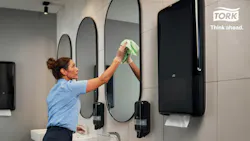
Looking back on 2026, one theme surfaced repeatedly in conversations with facility leaders: organizations delivering the strongest hygiene outcomes were not focused solely on cleaning.
They recognized that restrooms and other high-traffic spaces play an outsized role in how visitors experience a facility. These teams treated hygiene not simply as a maintenance function, but as part of a broader strategy for operational excellence.
In discussions with facility leaders across a range of settings, three common lessons emerged.
Great hygiene does not happen without great teams
The facilities delivering consistently strong outcomes invest in the people responsible for maintaining them.
At one major cultural institution we spoke to, custodial employees complete a four-week training program before working independently. The program goes beyond task instructions to cover the science of cleaning, helping team members understand why particular processes, products and touchpoints matter. New employees also shadow experienced colleagues, receive mentorship and build confidence before taking on full responsibility.
The most successful facilities do not simply train employees to complete a checklist. They help employees see the connection between their work and every visitor’s experience. A clean restroom or well-stocked dispenser is not just a completed task. It is a visible sign that an organization is prepared for the people in its space.
Across the facilities we spoke with, operational excellence was not something that happened to employees. It was built through them.
Visibility enables smarter operations
The best facility teams are also using operational visibility to make more informed decisions about where staff time and attention are needed most.
At a large entertainment venue, teams once relied heavily on manual checks and routine restroom inspections. Staff often stocked substantial quantities of hygiene products because they assumed all locations needed replenishment. While that approach was well intentioned, it could lead to unnecessary product movement, excess inventory and time spent checking areas that did not require service.
Greater visibility made a significant difference for this venue. Introducing Tork Vision Cleaning, a data-driven cleaning solution, our team was able to provide teams with timely information, helping them prioritize attention and maintain a more efficient guest experience.
With more timely insight into supply needs, teams could prioritize the areas requiring attention and redirect time previously spent on manual dispenser checks toward higher-value cleaning work. Inventory decisions became more precise, reducing waste and giving teams greater confidence in how they prioritized resources.
For facility leaders, this is an important distinction. Technology should not add another task or layer of complexity. When applied thoughtfully, it can support teams by helping them respond proactively rather than reactively.
Great hygiene is ultimately about the guest experience
High-performing facilities understand that hygiene is one of the most immediate and memorable ways visitors experience a space.
At a public park we spoke with, leaders approached restroom design as an accessibility and inclusion issue, not merely a maintenance requirement. Family-friendly facilities and accessible features were incorporated to better serve a wider range of visitors.
One moment brought the importance of those decisions into sharp focus. A family became emotional when they learned that an adult changing table was available in a public restroom at the park. For them, a facility feature that might seem small on a floor plan represented dignity and the ability to participate more fully in the community.
This is why thoughtful hygiene design matters. A clean, accessible restroom can do more than meet a basic need. It can help people feel valued and included.
That intentional mindset also shaped the facility staff culture. Staff were encouraged to see the guest environment as a shared responsibility: if someone saw trash on the floor, they picked it up, even if it was not technically their assigned task. From frontline staff to leadership, everyone contributed to the experience visitors would remember.
A blueprint for 2027
The facilities delivering the strongest hygiene outcomes in 2026 were not necessarily the newest buildings or organizations with the largest budgets. They were teams that invested in their people, used visibility to make smarter decisions and understood the direct connection between hygiene and guest experience.
Every facility faces distinct challenges. Still, these lessons offer a practical blueprint for 2027: build capable teams, remove operational guesswork and design every hygiene touchpoint with the people using the space in mind.
Learn more about Tork professional hygiene solutions and connected cleaning: https://www.torkglobal.com/us/en/