Smart Upgrades That Lower Operating Costs and Boost Building Value
Key Highlights
- Automated lighting, shading, and thermostats can reduce energy use when properly configured and monitored.
- Digital access controls can cut rekeying and administration costs while improving security and providing entry logs.
- Sound masking can support privacy and tenant appeal, especially in noisy buildings and regulated professional suites.
- Avoid installing aesthetic or business-specific technology before tenants request it.
- A centralized, robust network helps building systems work together and simplifies management.
Smart technology has been around for decades, but it has recently reached an all-time high, particularly in commercial buildings. Many believe that smart technology is mainly used for convenience and to increase property value, but it can actually be utilized for cost-saving solutions.
While it can be a great investment, smart technology is not cheap and can cost thousands of dollars in the long run. However, prioritizing the right technologies while considering tenant retention and long-term savings in mind can make a big difference.
Dynamic Energy Controls
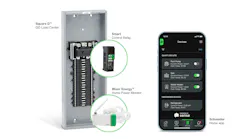
Smart technology such as automated shading, smart lighting, and multi-sensor thermostats can save up to 10% on your energy bill if it’s used effectively.
Smart lighting is a great way to prevent energy waste. Motion sensors turn lights off automatically when rooms, conference areas, or restrooms are empty. They also offer automatic scheduling, letting you program lights to match business hours. You can also add sensors that measure natural sunlight coming through windows and dim indoor lights accordingly.
Automatic shades are also a great investment that can help you save on your energy bill. The trick is to program the shades to follow the sun’s path. This makes the heat less intense and more energy efficient.
Lastly, smart thermostats can reduce your energy bills and improve the experience for tenants and guests. If you opt for a smart thermostat, you want to average the temperature across all rooms rather than just using the hallway. So, if one is at 72, another at 78, and another at 79, the temperatures will average out to be the same in every room. You can install these ahead of time by running a wire through the temperature sensors, or you can invest in an Ecobe wireless one.
Peak demand charges often make up 30% to half of the total electric bill in commercial properties. Check the “demand” line item on your utility statements during peak hours, which is usually between noon and 6 PM. Automatic shades that properly track the sun and, combined with proper lighting, should flatten afternoon spikes.
You should see your Kilowatt-hour usage per degree day drop 8% to 15%. If kWh consumption stays flat while local temperatures are identical, your automated schedules aren’t set correctly.
Invest in Smart Access Control
Physical security breaches cost individual large organizations an average of $17.4 million annually. U.S. companies also lose an estimated $50 billion per year to employee theft, a problem that is exacerbated by weak access controls.
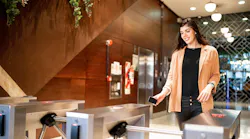
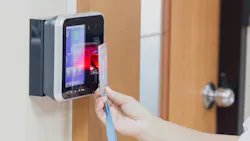
You need to secure your building, especially if tenants come and go. Access control replaces easily copied metal keys with digital credentials such as keycards and mobile apps. This improves security and lowers long-term operating expenses.
Access control reduces costs by protecting access, preventing internal fraud, and lowering administrative and guard staffing costs. A single property manager can manage permissions for an entire building without involving locksmiths or additional help.
Calculate your locksmith expenses. Rekeying a single commercial cylinder can cost anywhere from $100 to $250, plus the hassle of managing keys. If you manage more than 20 doors, have tenant turnover, or have employees working in your building, you should see locksmith expenses drop close to zero within the first year.
Beyond long-term savings, it restricts visitors, the general public, and even former employees from entering the building. Additionally, access control lets you set permissions for each room. If a business moves in and needs to keep a room extra secure, it can do that.
Smart access control also acts as a liability defense. In the event of a fall, property damage, or a workplace security incident, digital logs show who was in the building, helping protect you from lawsuits.
Consider Sound Masking
A commercial building with solid sound masking can deliver a strong return on investment, especially in noisy areas or when multiple tenants share a wall. Buildings with several offices in noisy areas benefit greatly from sound masking, making it easier to attract tenants.
Sound masking creates privacy for managers and employees by creating an environment where conversations are more difficult to overhear. Sound masking delivers the greatest value in medical, psychiatric, financial, and legal suites where HIPAA or privacy compliance is required. Having pre-installed, certified sound masking makes your space an immediate differentiator for these tenants. It not only enhances privacy but can also reduce outdoor noise, such as traffic, increasing focus and employee productivity.
Additionally, if the tenant wants to install cubicles and other furnishings, you can work with them to install sound masking there as well. This is a great way to make employers more eager to rent out your building. It shows you care about the employee experience and have already invested in the building to prove it.
However, if your building isn’t in a noisy area, tenants don’t share a wall, or you don’t plan to lease to a HIPAA-compliant tenant, hold off on installation.
Avoid Aesthetics
Several smart technology trends may seem like a good idea to incorporate but can actually be counterproductive. As a commercial building, add only features that make things more convenient for the tenant or improve ROI.
Stay away from aesthetic-driven technology. Keep the building as convenient as possible, yet as bare as possible, so the tenant can add their own aesthetics and flair. Additionally, some technologies may benefit certain business types more than others. You want to wait until a tenant brings it up to add any of those features.
Don’t try to make a statement with video walls or screens. Today, there are many ways to get creative with video distribution, from huge video walls to blending televisions into TV frames. While this can look great and there are plenty of reasons for it, not every business needs it. If you add it too early, it can hurt your wallet instead of helping.
Also, avoid anything related to audio. Many businesses don’t use in-ceiling or in-wall speakers. This is something that you need to have a conversation with the tenant about before installing.
Most importantly, you need a solid, robust network. Having everything in one centralized location for the building manager and tenant is key. Without a unified network, individual systems, such as smart lighting and temperature control, act in isolation. This forces property managers and tenants to juggle multiple platforms, making it counterproductive.
Smart technology is an asset that, if used correctly, can help protect your bottom line. By prioritizing the right combination of energy management, access control, comfort, and tying them together through a centralized network, property managers can drastically reduce operational overhead, lower liability risks, and boost long-term tenant retention.
About the Author
Jason Fischbeck
Jason Fischbeck is the owner of Automated Environments in Mesa, Arizona, a smart technology consultant and installer. He has been installing technology in commercial buildings for over 25 years.