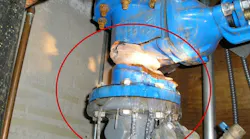
Wherever you travel, you may notice construction taking place. Why are people building so many buildings? The short answer: to make money. However, in order for owners to make a profit, they must accomplish a few action items, including fire protection and life safety compliance.
People typically protect their buildings because they have to. In the fire protection realm, that means abiding by codes adopted by the local jurisdiction—International Code Council (ICC) or National Fire Protection Association (NFPA) codes, for example. The owner of a building may comply with the minimum requirements of these standards, nothing more.
As much as we love thinking that compliance equals “safe,” that isn’t always so. A facility can follow rules and still have vulnerabilities. The codes do not cover every possible scenario. Buildings can still fall short of providing a safe environment for life safety and business operations. This article will cover examples of where the code may not account for issues in buildings and what stakeholders can do to rectify them.
Inadequate Redundancy
Some buildings only require one line of fire protection defense. For example, the International Building Code states that restaurants less than 5,000 square feet in area may not require sprinklers, and if the occupant load totals less than 300, fire alarm systems may not be required either. Relying on only one form of fire protection opens a building up to the risk of failure. Just because redundant systems aren’t required doesn’t mean a fire event can’t happen, which is why fire protection consultants may recommend having several fire protection systems as backup in case the code-mandated system fails.
Vulnerable Critical Infrastructure
Fire safety experts strive to keep critical facilities operational, such as a data center, which holds mission-critical equipment. A fire event could cause the power to go out, taking the whole system down, even when the facility is code-compliant.
Building owners should protect their assets by putting additional fire protection measures in place, such as very early smoke detection, upgraded fire-rated construction, and fire alarm controls integrated with fail-safe measures. While these measures exceed compliance, they will help maintain business continuity, which makes them worth the investment.
Outdated Fire Protection Systems
Many fire protection systems degrade over time. For example:
- A fire sprinkler system can have corroded pipes.
- A fire alarm system can have obsolete equipment.
- A partition can fail to support the fire-resistance rating prescribed at the time of construction.
These systems are subject to wear and tear and eventually need upgrades or replacements. For that reason, NFPA standards recommend regular inspection, testing, and maintenance (ITM), especially for active fire protection systems, to ensure they are functioning properly.
Some jurisdictions may not choose to adopt the NFPA standard that requires ITM on certain systems, but even in those cases, fire protection experts highly recommend maintaining them anyway. Owners can get more life out of their systems and address any system updates to ensure they work in an emergency.
Inadequate Emergency Planning
Fire safety plans play a crucial role in protecting property and building occupants. These plans detail crucial site information, such as access points and fire protection systems, that help first responders and other stakeholders act quickly in an emergency.
Many facilities may not be required to have a regularly updated plan. Still, because of how effective these plans are in helping emergency personnel efficiently respond, owners should consider generating one.
Insufficient Protection for Hazardous Materials
For hazardous materials storage, the codes typically only describe a minimum level of protection for implementation. For example, the code may require a certain level of sprinkler protection, whereas a fire protection expert may recommend a more extensive approach to suppress a fire in that environment effectively. Oftentimes, more is needed because a fire event without enough measures in place could result in building loss.
There are many options for protecting a building storing these materials. Sometimes, an owner may want to avoid water damage from a fire suppression system, so they can opt for a special hazard system (e.g., a clean agent or foam-based system), along with a fire alarm/detection system.
In the case of hazardous materials particularly, a more conservative approach than what the code outlines may be necessary. As such, it is important to consider the contents being protected and install more than what the base code calls for. While it may be a costly endeavor, an intact business will save money down the line.
Lack of Integration with Continuity Strategy
During building design, stakeholders frequently ask fire protection professionals to just follow the code, but code compliance alone does not guarantee that a fire won’t occur, or that operations will continue if one does. Owners who want minimal downtime, protected inventory, and sustained profit must go beyond the code. The attention to detail involved may feel excessive, but it will save everyone considerable grief in the end. Codes are essential for legality and safety, but measures that exceed them give a building its best chance at a long, functional life.